
Exploring the Interconnection of Theology and Life
The Project on Lived Theology at the University of Virginia is a research initiative, whose mission is to study the social consequences of theological ideas for the sake of a more just and compassionate world.
Check out our collection of published works and other resources on lived theology.
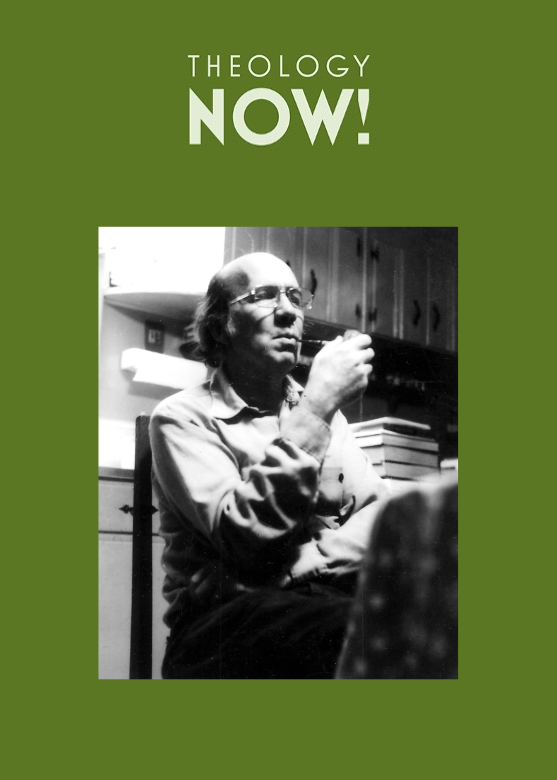
In Praise of the Peculiar People
“My name is Will D. Campbell. I am who my momma and daddy named me the night I was born. I live in Tennessee. I have three children. I am a preacher of the Good News. God was in Christ reconciling the world. Not will be, not perhaps, not just if we’re good boys and girls; but was, once and for all. We are now one people. We have been reconciled to God and each other. Racism is a violation of that fact. Nations are a violation; classes are a violation; joining the country club is a violation. I believe God was in Christ, goddammit, that’s what I believe!”
Will D.Campbell (1924 -2013), when asked by a group of white pastors in Georgia, in the early 1960’s why he opposed racial segregation
Featured Section
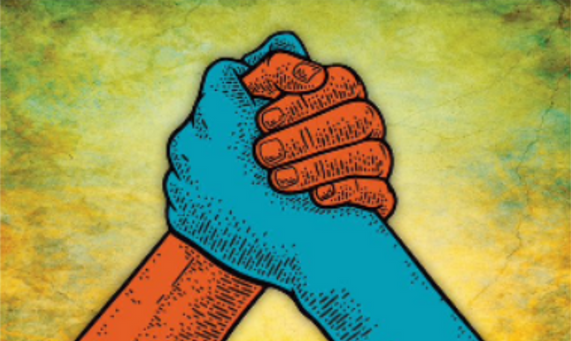
People Get Ready
Twelve Christian Misfits, Malcontents, and Dreamers. A collection of succinct and evocative biographies of twelve modern apostles who unsettle what we think we know about religion’s role in American reform movements.
Featured Section
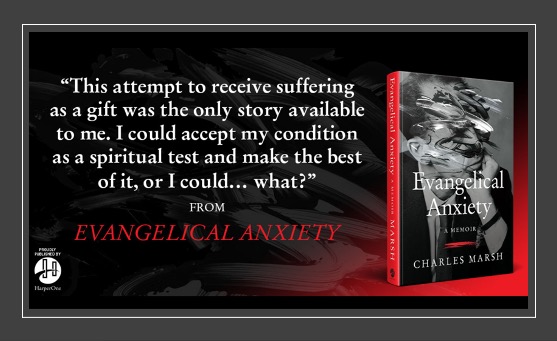
Evangelical Anxiety
In this riveting spiritual memoir, Charles Marsh, director of the Project on Lived Theology, tells the story of his struggles with mental illness, explores the void between the Christian faith and scientific treatment, and forges a path toward reconciling these divergent worlds.