One of the parts of my summer that I’ve been most excited about was the opportunity to help start a weekly writing group at The Haven. The group is led by local writers, who facilitate workshops in creative writing, poetry, and even graphic novel writing. So far, our writing group has been part reading group, part therapy group, and part writing group—and on different days, different amounts of each of those. Some guests show up merely because they are bored, others, because they have a lot of ideas and creativity, and want to learn how to better express themselves, or even improve grammar and technical skills.
Last week, we read an essay by Annie Dillard entitled “Living Like Weasels.” The essay details an encounter between the speaker and a weasel: an unexpectedly fierce, startling and intimate moment where the two lock eyes, and the world freezes for a moment. The speaker muses and admires the necessity-driven, un–relinquishing lifestyle of the rodent. Everyone loved the essay, and was riveted by Dillard’s prose.
It was the first writing group that I had led, and I felt nervous and tentative as we started. Previously, the facilitators were published authors, and I’m just an English major whose favorite search engine is Wikipedia and whose emails begging for paper extensions are more eloquent than my papers themselves. So I started the group with the disclaimer that “We’re all equals today!” and began reading the essay out loud.
The essay is divided into six short sections, and there was a very brief pause as I took a break, expecting to begin reading the second section aloud. But one of the other participants dove in, unprompted, and began reading aloud. Her raspy, rich voice molded the words in a way that made my rendering of the essay plain and much too formal. She skipped over a whole line without noticing; stumbled over ‘suburbia’, substituted “inexplicably” for “unexplainably” without missing a beat—understandable, easy mistakes.
Seamlessly, we each took turns reading the essay. Intermittently, we paused to discuss and reflect on what we read. Sometimes the conversation stayed close to the text, most times it lost connection to the text rapidly and extensively. Dillard uses vivid and evocative language to describe the weasel encounter in her essay, and we spent at least ten minutes coming to a group consensus that weasels had, without warning, taken the top spot in each of our personal phobia lists. The conversation devolved into stories that ranged from attending college in Colorado to sleeping on the streets in Denver; we learned about each other’s therapists and children. We moralized about good southern manners and generosity and compassion. We spoke with passion, energy, excitement, confusion, and curiosity. Our conversation was at times serious and at other times humorous, as we shared our perspectives and impressions of the piece.
Our writing group was particularly diverse that day, and initially, I felt our differences poignantly. As we began to talk about and interpret the essay, I felt disarmed by some of the group member’s reactions. The conversation was so different than the ones I participate in my UVA courses! Yet as the conversation continued, barriers began to dissolve and we wrestled with the text together, each providing our own colorful interpretation and imagination of the essay’s imagery. Three of us had attended some level of high school, three were college educated. Four had experienced homelessness, two had not. Two were black, four were white. Four women, two men, two mothers, two teachers, three former addicts, one politician, one smoker.
One woman, Annie, spoke candidly about her life experiences, citing her lack of education as a regret, yet her grandchildren as her greatest joys. She talked about relating to the weasel, such times when she felt genuinely fearful of others she encountered on the streets, threatened by them—until she connected with them on a personal level and learned their stories. She spoke about how her own experiences of need and poverty shaped a personal philosophy surrounding generosity and charity. “Its important to meet people where they’re at—wherever that is. I’m fine with giving people a dollar for a beer, because maybe that’s what they need right now, maybe that’s where they’re at, and maybe that’s all life has to offer them at this second. It doesn’t mean I don’t hope and pray for a different future, a different future need for them, that one day they’ll use that dollar for something else. But you can’t expect more of people than what life’s given them.”
Before we knew it, nearly two hours had passed. Members of our group had other commitments to get to: meeting with addiction counselors and old friends, work and volunteering schedules. Two hours had passed, and none of us had written a word during the workshop. I quickly assigned a “challenge-by-choice” option that they could write on their own time if they chose, and we parted ways. The next day, Annie said she couldn’t get the assignment off her brain all day. She loved the group, and enjoyed creatively thinking about the writing prompt. Another participant came up to me, thrusting a piece of paper with scrawling writing towards me. She had worked on the “homework” the night before and wanted to share and discuss what she wrote. Her sentences were short, brusque, simple. Reading her thoughts, communicated on paper, was a privilege.
I think it is fair to say that there is room to be celebratory as well as critical about our weekly writing workshops. I try my best to be realistic about the extent of the writing group’s impact and ability to truly “make a difference.” I don’t hold overly romantic views that we will begin churning out poets and novelists, radically transforming the modern canon of literature. But these homespun philosophies, formed over lukewarm coffee on a wobbly plastic table, are as valuable as any intellectual productivity within a UVA classroom. Our group is small, but the guests value and enjoy the time as their own opportunity to explore fun ideas critically and creatively—whether in writing or just in discussion. And for now, I think that’s enough. 
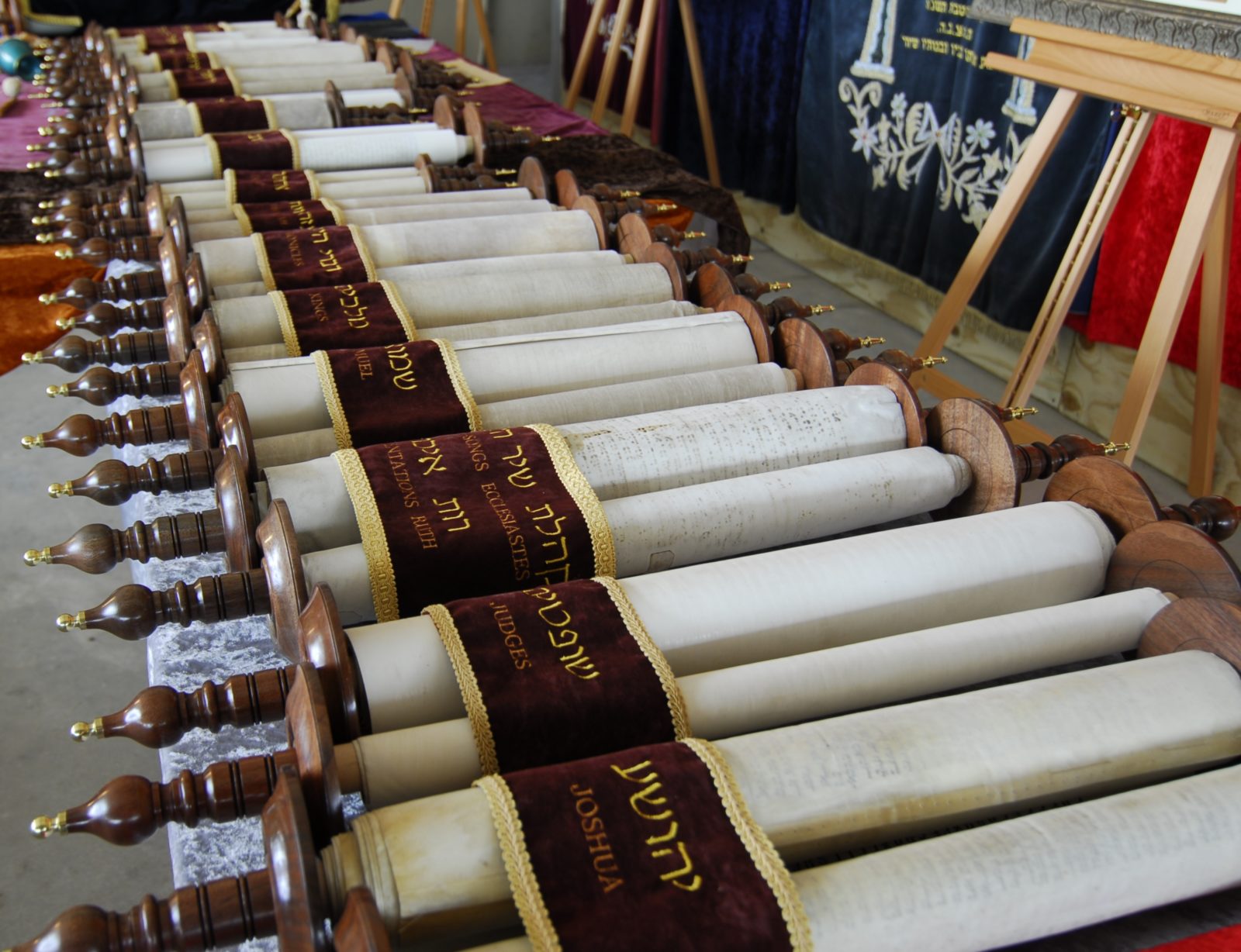 Early on in the Fellowship (and—hard to believe—exactly a month ago to the day that I am writing this), Adam, the executive director at Urban Adamah, led a class for us about brachot, “blessings” in the Jewish context. The class was comprised of several components starting with a mini-lecture by Adam in which he laid out the basis for why we say brachot and various perspectives on the role of the practice within Judaism. We also investigated some of the language around prayer and blessings employed in Judaism and discussed our own responses and personal relationships to that language. Much of my focus at the time was on the aspects of prayer and the Hebrew employed therein that I find personally alienating, including in particular some of the gendered, hierarchical, and anthropomorphizing language used in reference to God in traditional Jewish prayer formations. A good example of this is in the common Baruch ata Adonai formation utilized in many standard Jewish blessings:
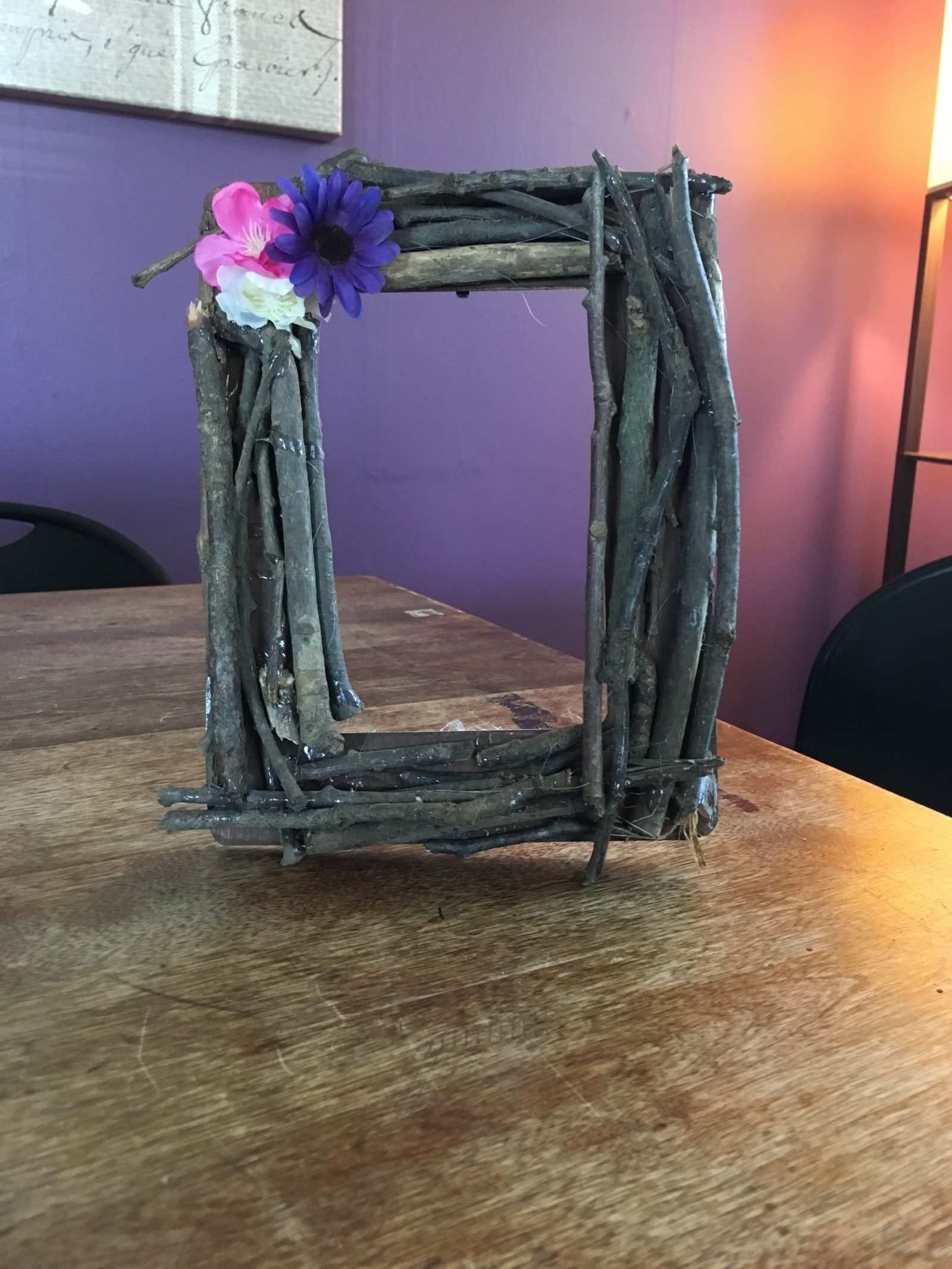 This group session in the park presented an opportunity to have fun together in community as we worked on our individual frames. A key component of this creative task was play. According to Bonhoeffer, play “goes beyond the categories of doing, having, and achieving and leads us into the categories of being, of authentic human existence and demonstrative rejoicing in it. It emphasizes the creative against the productive and the aesthetic against the ethical” (de Gruchy, 157). Though this project was centered around the practice of a spiritual discipline, what we were asking the women to do in the park that day was to play. We had an hour to be away from the Magdalene houses and offices, work, therapy, and other responsibilities. As Bonhoeffer understood, play is a necessary experience for flourishing. As the women work and learn to gain independence and full autonomy upon graduation from the program, these moments that “break open fresh possibilities” are a necessary part of healing. Just as Slowing counters mental hurriedness, play counters the constant emotional work that comes with the healing process. It cuts through the inevitable tension in a community of trauma survivors. Play has true, relentless, strong, salvific, redemptive power.